FiledPAXTONFRKM743 · OCT 01, 2026, 10:08
The Function Of Hplc Evaluation In Peptide Characterization
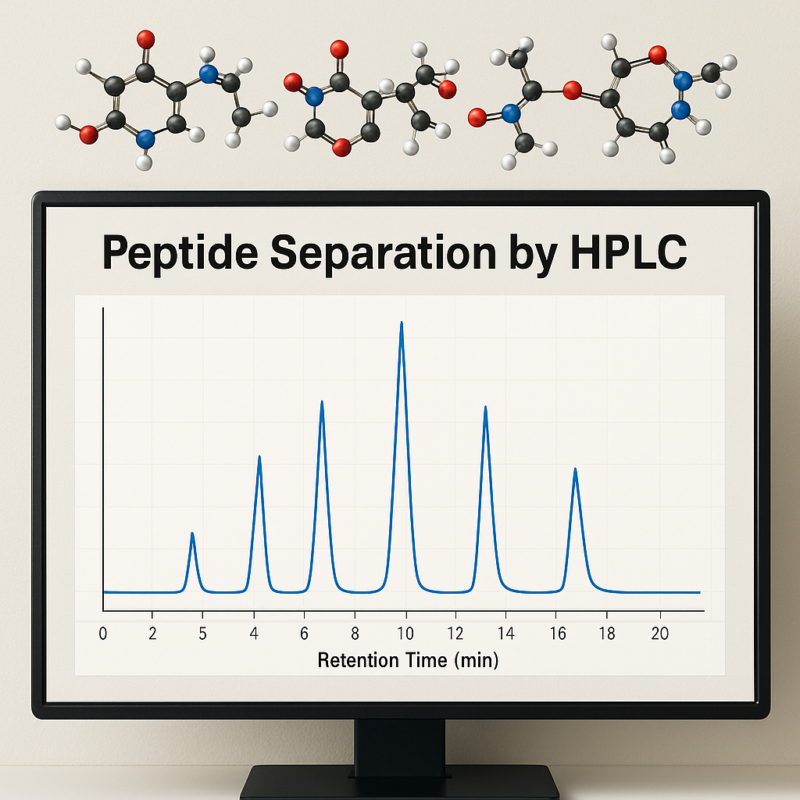
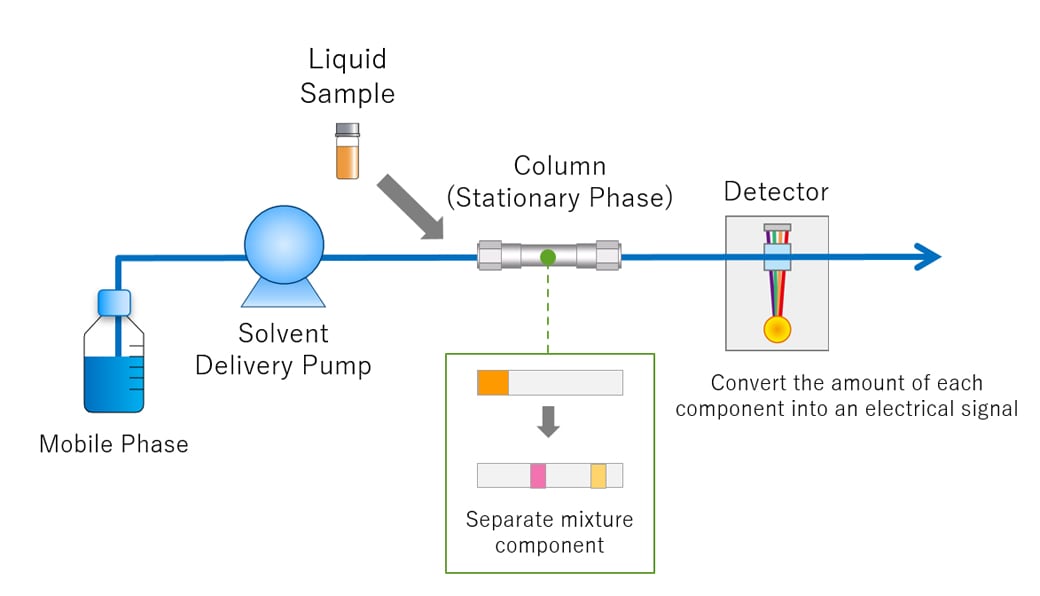
Peptide And Peptoid Synthesis Core This content is not intended as a substitute for expert clinical advice, medical diagnosis, or treatment. Companion with us for trusted HPLC and MS solutions that guarantee peptide reliability from synthesis to application. Peptide research is just as strong as the tools behind it-- which begins with screening. HPLC and Mass Spectrometry supply the gold-standard guarantee that what remains in the vial is pure, exact, and specifically what the tag states. Confirms molecular identity by matching the observed mass to the theoretical mass. The COA documents generally includes advised reconstitution procedures details to every peptide. As opposed to simply trusting a supplier's insurance claims about screening, scientists can individually validate that screening in fact happened and assess the certain outcomes for their batch. This public verifiability transforms quality control from an exclusive claim right into an openly checkable fact. Understanding exactly how to test peptides for pureness makes certain the integrity and reproducibility of every research protocol. This overview clarifies the 3 gold-standard analytical methods-- HPLC, mass spectrometry, and third-party screening-- and how researchers can translate outcomes to validate that their compounds fulfill research-grade quality Research Peptides standards. Without orthogonal techniques to spot these microheterogeneities, they multiply in a system (death as 'biological irregularity'), reducing signal-to-noise and ultimately invalidating entire information sets. Official HPLC/MS characterization freezes that entropy in place, subjecting each particle to 2 orthogonal selection pressures (hydrophobicity and mass-to-charge), developing a statistical firewall around false identification. Regular purity degrees vary between 99.0% and 99.7%, straightening with global laboratory research standards. These tests verify that peptides from Peptides Lab UK have no pollutants, deterioration by-products, or unwanted fillers-- just validated, high-purity research material. Also low degrees of impurities can alter a peptide's organic activity, disrupt structural analyses, or interfere with method recognition. HPLC techniques for peptide evaluation use reverse-phase columns with slopes of water and acetonitrile, usually with trifluoroacetic acid as a modifier. The UV detector keeps an eye on the peptide at specific wavelengths, typically 214 nm or 220 nm, where peptide bonds soak up highly. Approach validation makes sure that HPLC results precisely reflect peptide pureness. But conference those criteria can be hard for many small businesses wanting to create peptide drugs.
Peptides Lab Uk
In COA evaluation, it usually includes HPLC pureness testing, mass spectrometry identification verification, and batch-specific paperwork showing the checked great deal, technique, results, and date. HPLC is outstanding at responding to the question "how pure is this example by chromatographic area percent? A sample might generate a clean-looking chromatogram with one dominant peak and still be the incorrect substance if identification was never confirmed. HPLC actions splitting up and loved one peak area; mass spectrometry procedures mass-to-charge actions that can be made use of to verify molecular identity. Peptide testing is the set of analytical checks utilized to evaluate a peptide example before it is used in a research operations.What Is Hplc Method Growth, Recognition, And Hplc Evaluation Service?
Just how much does peptide HPLC screening expense?
The expense of peptide evaluation service differs considerably based upon which strategies your regulative bundle requires: HPLC-UV Analysis: $& #x 24; 300 & #x 2013; & #x 24; 800 per sample (standard purity analysis) LC-MS (Fluid Chromatography-Mass Spectrometry): $& #x 24; 600 & #x 2013; & #x 24; 1,500 per sample (molecular weight verification).
Peptide Screening: Hplc & Mass Spectrometry Purity Verification
- Without this screening, it can confirm to be a lot more difficult to discover the contaminations that might remain in peptide medications.
- High-Performance Liquid Chromatography remains the gold standard for peptide purity evaluation since it divides compounds based upon their chemical properties with outstanding precision.
- Hydrophilic communication chromatography (HILIC) and normal-phase chromatography are also suitable for dividing polar compounds, with HILIC being the favored approach.
Ends · PAXTONFRKM743